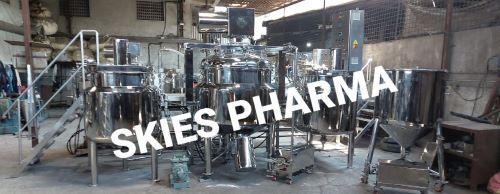
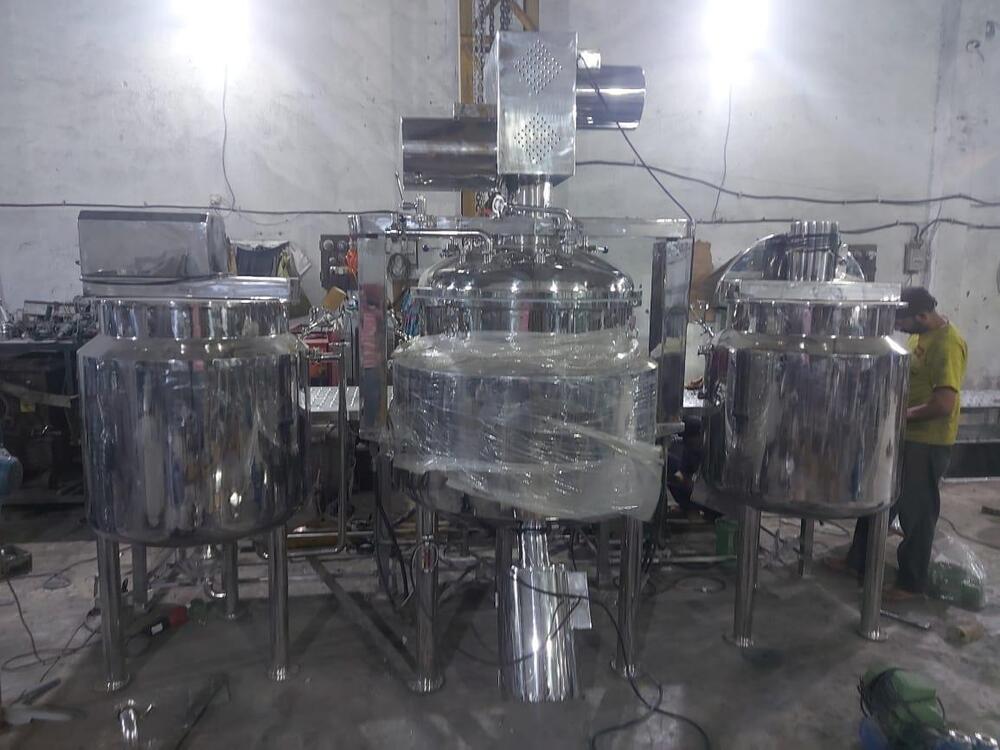
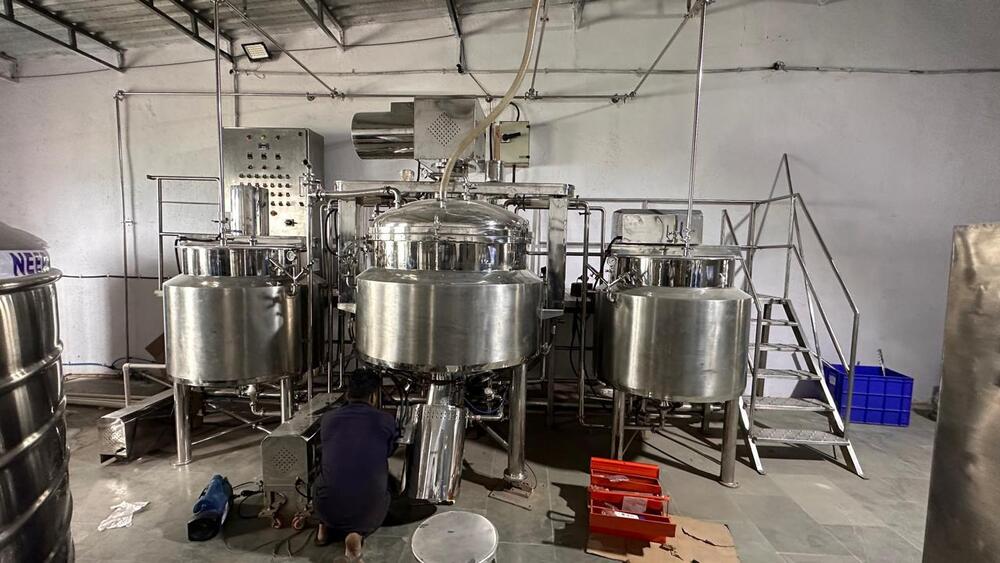
About Emulsifier Plant for Ointments
Skies Pharmamach Private Limited is a trusted name in pharmaceutical machinery manufacturing, specializing in ointment manufacturing units. Our cutting-edge equipment ensures efficient, hygienic, and high-quality production of ointments, creams, gels, and lotions. Designed for pharmaceutical, cosmetic, and healthcare industries, our manufacturing units comply with GMP (Good Manufacturing Practices) and FDA guidelines, ensuring precision, safety, and reliability.
Features of Our Ointment Manufacturing Unit:
Automated & Semi-Automated Systems Ensuring high production efficiency
GMP-Compliant Design Fulfilling international quality standards
Stainless Steel (SS 316/SS 304) Construction Ensuring durability and hygiene
Efficient Homogenization & Mixing For uniform product consistency
Vacuum Processing System Eliminates air bubbles and ensures smooth texture
User-Friendly Operation Easy to use with PLC-based control panels
Scalable Solutions Suitable for small-scale, medium-scale, and large-scale production
Applications:
- Pharmaceutical Industry: Ointments, gels, medicated creams
- Cosmetic Industry: Moisturizers, fairness creams, hair gels
- Ayurvedic & Herbal Products: Herbal creams, pain relief gels
- Veterinary Products: Animal care ointments and lotions
FAQs (Frequently Asked Questions):
Q1: What is the capacity range of your ointment manufacturing unit?
A: We offer units ranging from 50 kg to 5000 kg batch capacity, customizable as per production needs.
Q2: Does the machine comply with GMP and FDA standards?
A: Yes, our machines are designed as per cGMP (Current Good Manufacturing Practices) and FDA regulations to ensure product safety.
Q3: Can the unit handle both water-based and oil-based formulations?
A: Absolutely! Our units are designed to handle both aqueous and oil-based formulations, ensuring a wide range of product possibilities.
Q4: What materials are used in the construction of the machine?
A: We use high-grade stainless steel (SS 316/SS 304) for all contact parts, ensuring corrosion resistance and hygiene.
Q5: Is the machine easy to clean and maintain?
A: Yes, our units feature CIP (Clean-in-Place) and SIP (Sterilize-in-Place) systems, making cleaning effortless.
Q6: Can we customize the machine based on our requirements?
A: Yes, we offer customization options including automation level, batch size, homogenization speed, and mixing mechanisms to meet specific production needs.
Q7: Do you provide after-sales support and installation?
A: Yes, we offer installation, training, and maintenance support to ensure seamless operation.
Q8: How long does it take for delivery after placing an order?
A: Delivery time depends on the specifications, but typically, it takes 4-6 weeks for manufacturing and shipping.
Q9: Can the machine be integrated with existing production lines?
A: Yes, our units are modular and scalable, allowing seamless integration into existing production setups.
Q10: What safety features are included in the ointment manufacturing unit?
A: Our units come with overload protection, emergency stop buttons, temperature control systems, and automated fault detection to ensure operational safety.
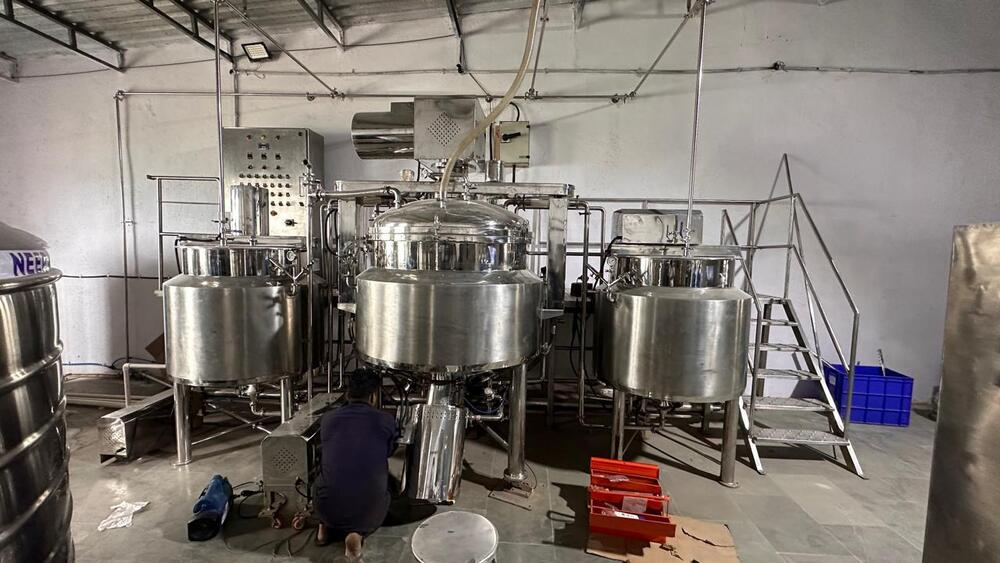
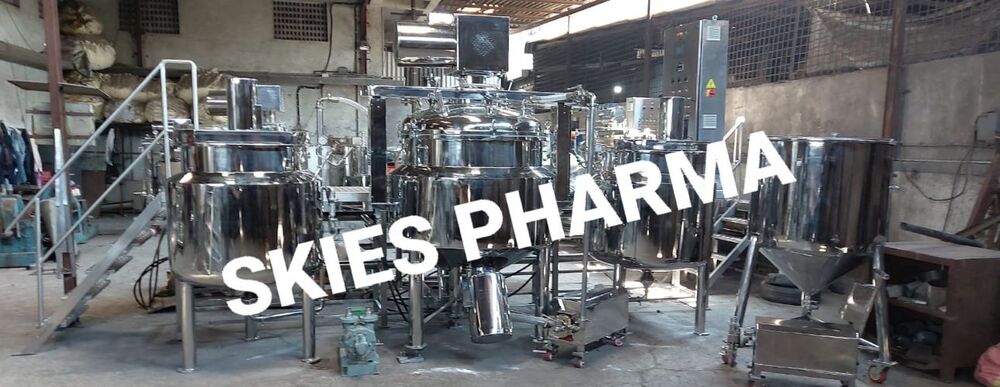
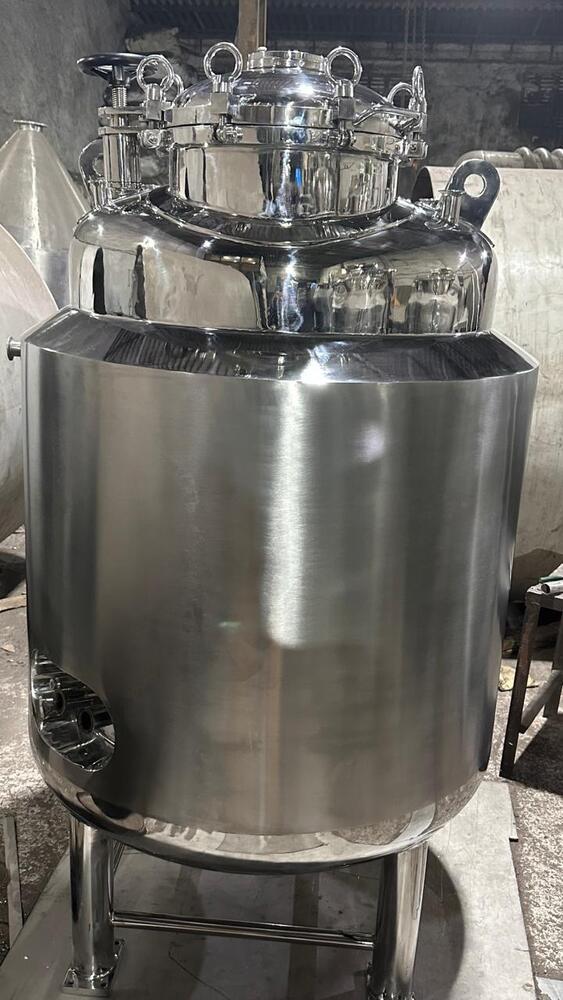
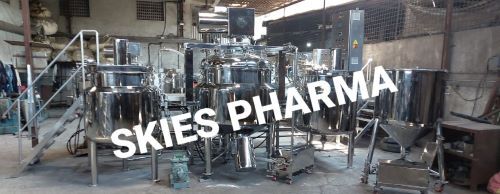
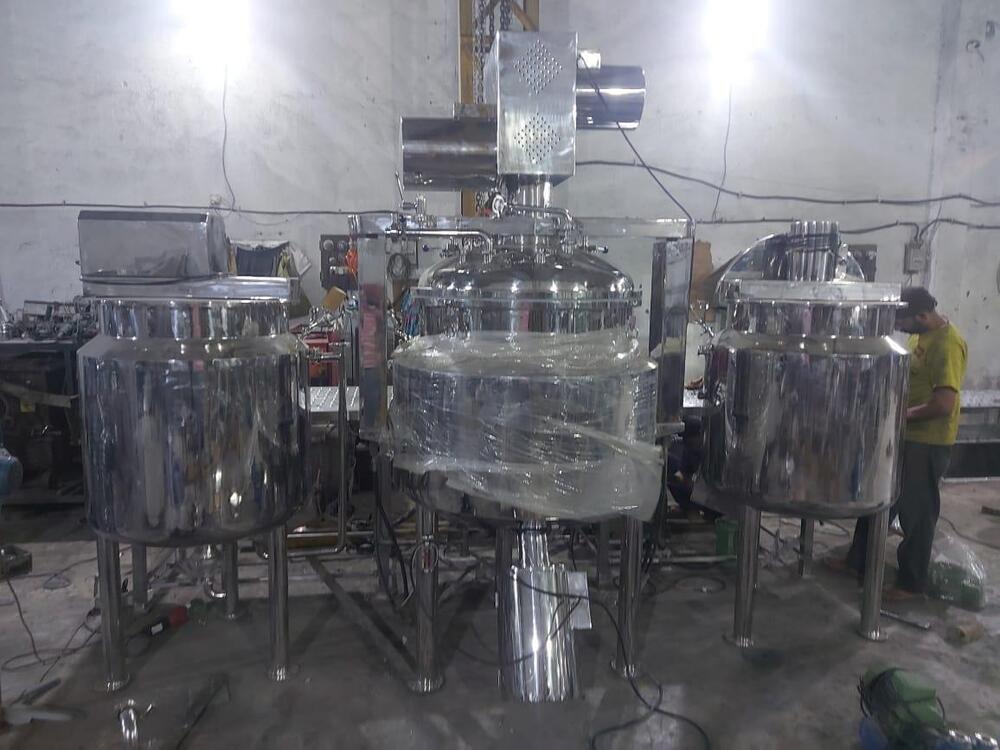
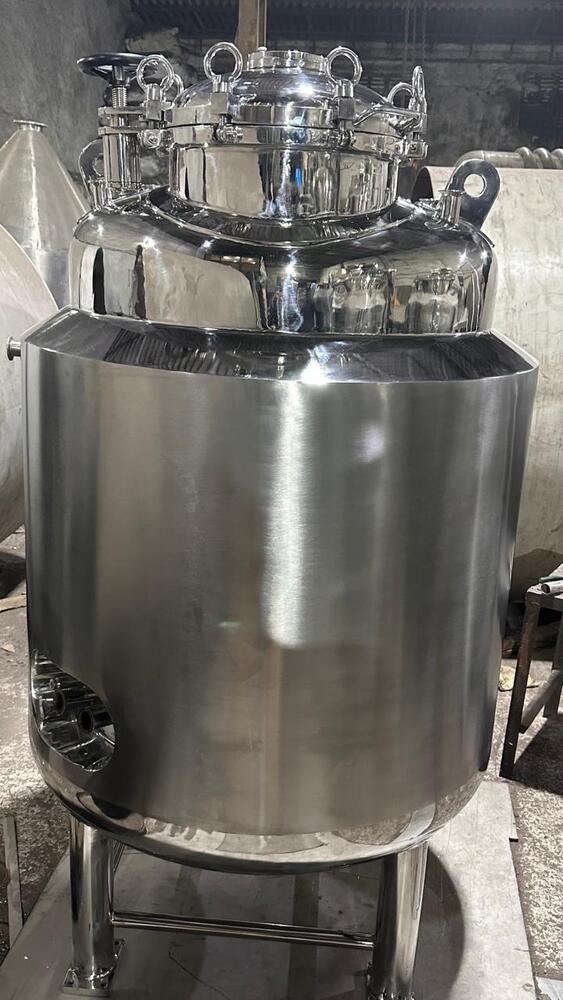
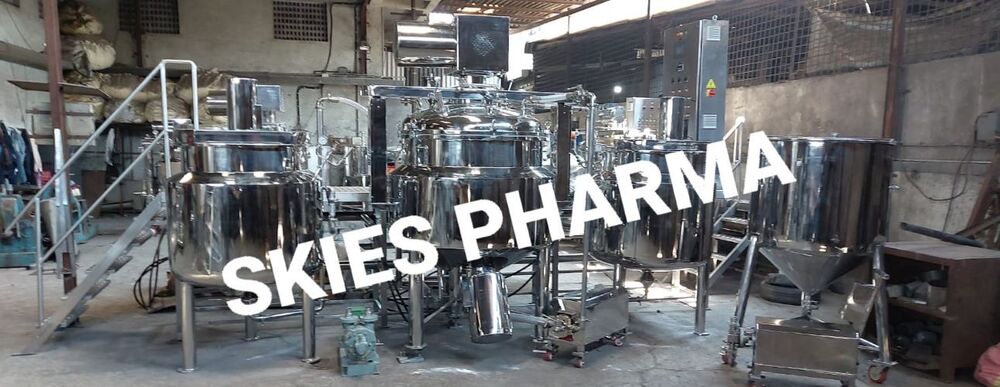
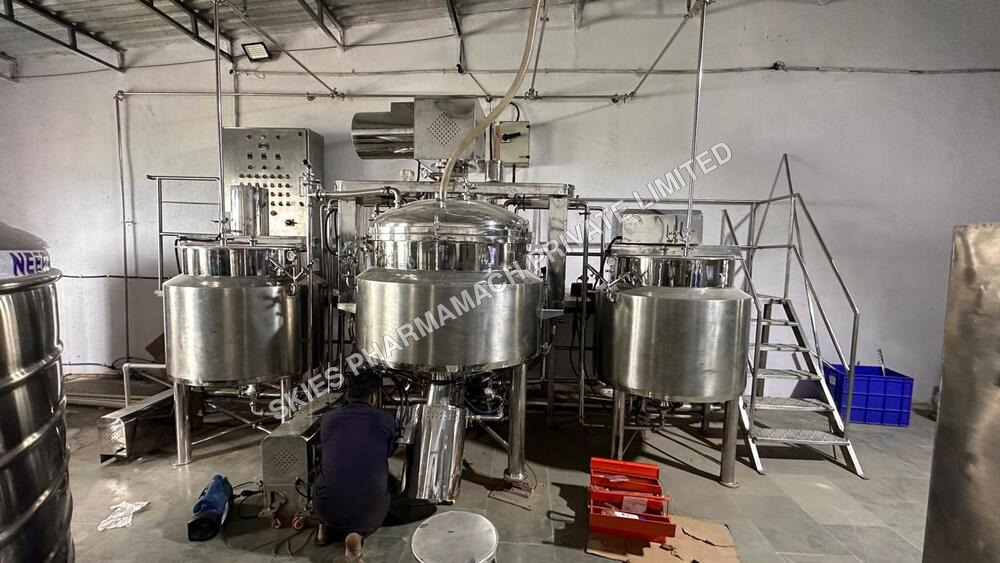
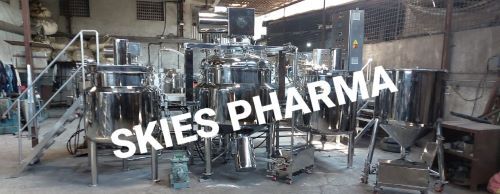
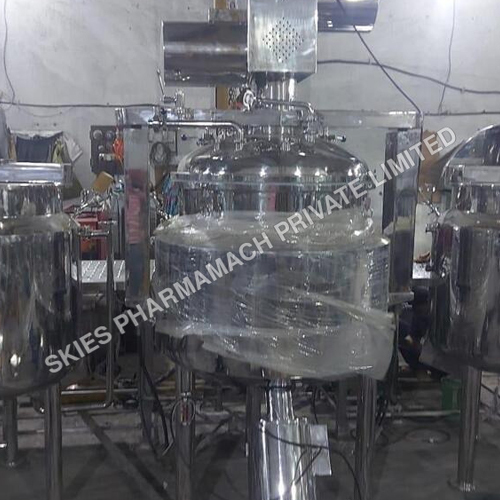
Durable Stainless Steel BuildEngineered with robust stainless steel, this emulsifier plant offers outstanding corrosion resistance and longevity. The sleek silver color not only enhances its visual appeal but also makes maintenance easier. Designed for consistent performance in demanding industrial environments, it assures both safety and hygiene for pharmaceutical manufacturing.
High Efficiency and Large CapacityWith a production rate of up to 500 kg/hr, this plant is ideal for large-scale ointment manufacturing. Its three-phase system at 415V and 50/60 Hz delivers consistent power, while the 3-10 HP range ensures flexibility for varied batch sizes. Maximum output is maintained without compromising product quality.
Simple Operation Without ComputerizationThe emulsifier plant is intentionally non-computerized, focusing on straightforward manual operation controls. This design reduces complexity, allows for quicker troubleshooting, and ensures reliability, making it suitable for settings where technical staff may be limited.
FAQ's of Emulsifier Plant for Ointments:
Q: How does the emulsifier plant contribute to ointment production?
A: The emulsifier plant blends and homogenizes different ingredients, creating a stable and consistent ointment base. Its high-shear mixing action ensures effective emulsification of oil and water phases, vital for achieving the desired texture and potency in pharmaceutical ointments.
Q: What is the typical process for using this plant in manufacturing?
A: First, pre-measured ingredients are loaded into the stainless steel vessel. The plant then operates at the selected horsepower setting (3-10 HP), activating the mixing and emulsification sequence. Ingredients are blended under controlled conditions, after which the ointment is collected for further processing or packaging.
Q: When should regular maintenance be performed on the emulsifier plant?
A: Routine maintenance, such as cleaning and inspection, should be carried out after each production batch. Periodic checks on mechanical parts and seals are recommended monthly to ensure continuous optimal performance and to uphold the warranty conditions.
Q: Where can this emulsifier plant be installed and used?
A: This plant is designed for installation in pharmaceutical and cosmetic manufacturing facilities. Thanks to its robust build and high capacity, it fits seamlessly into mid-to-large scale production lines across India, particularly where stainless steel hygiene standards are essential.
Q: What benefits does the 500 kg/hr capacity provide?
A: A 500 kg/hr throughput enables manufacturers to produce ointments in bulk, thereby increasing output and reducing batch-to-batch time. This large capacity is especially beneficial for meeting high demand efficiently without frequent downtime.
Q: How does the non-computerized design enhance usability?
A: The absence of computerized controls simplifies operation, making training easier and troubleshooting quicker. Manual controls allow users to promptly adjust settings, minimizing reliance on specialized technicians and ensuring production continuity even in less technologically advanced settings.
 Chat with us

 Send Inquiry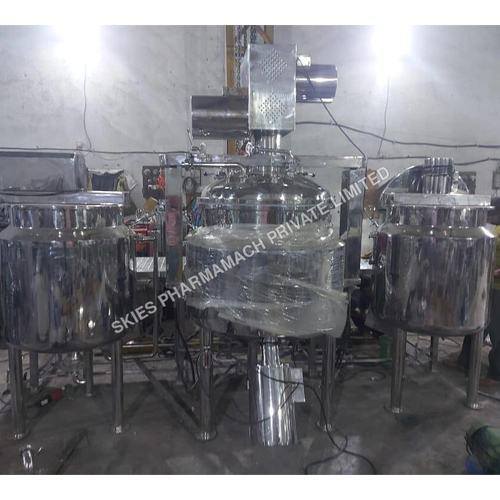

 Send Inquiry




 Send Inquiry